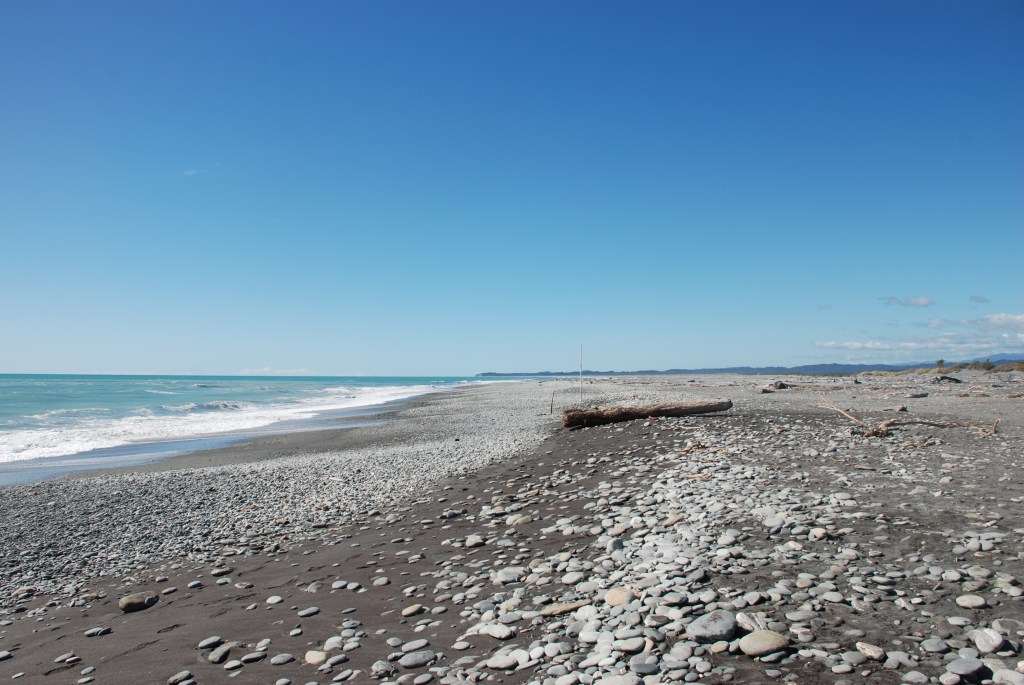
The Okarito lagoon is home to endangered wildlife and a wonderful spot for photographers and bird watchers.
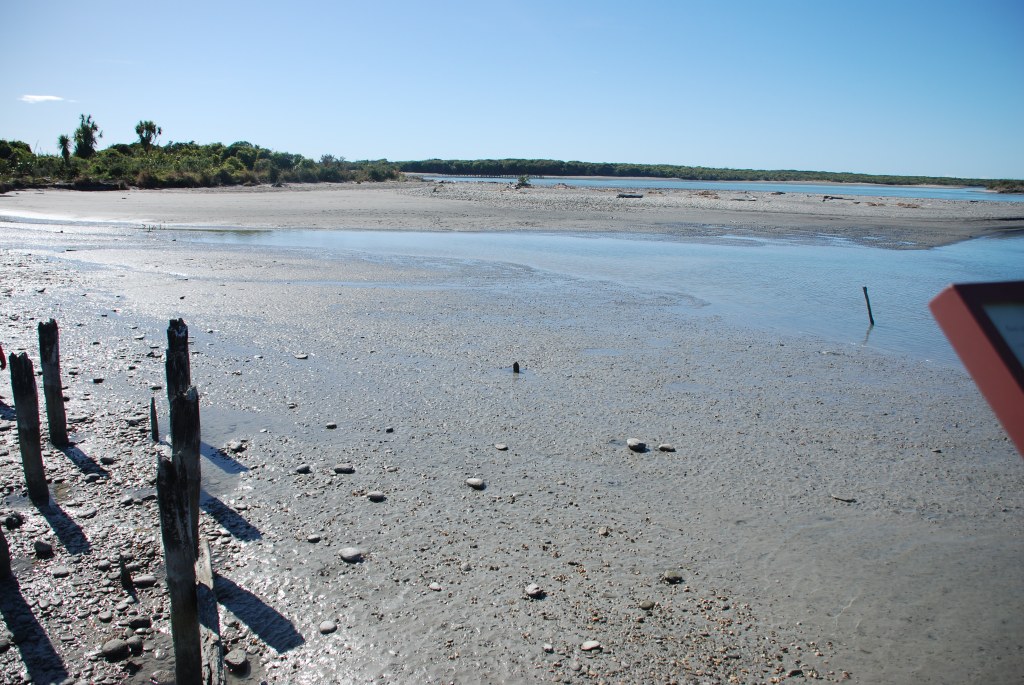
In 1865 the gold mining township of Okarito sprang up on low-lying, frequently flooded land at the south end of the Okarito Lagoon because the entrance channel was the nearest place suitable for shipping for the goldfields to the South. Thousands of native birds (more than 76 different species) visit the lagoon and many make their home in the vicinity, including the famous white heron and royal spoonbills.
In the West coast gold rush of the 1860s, Okarito rapidly grew to a population of several thousand, 31 hotels, three banks, and a courthouse. The port was the third busiest on the West Coast after Hokitika and Greymouth. At one point 500 prospective gold miners arrived in a single day. Vessels arrived from New Zealand, Australia, and the rest of the world. Flax and timber were exported from the wharf in the late 19th and early 20th century.
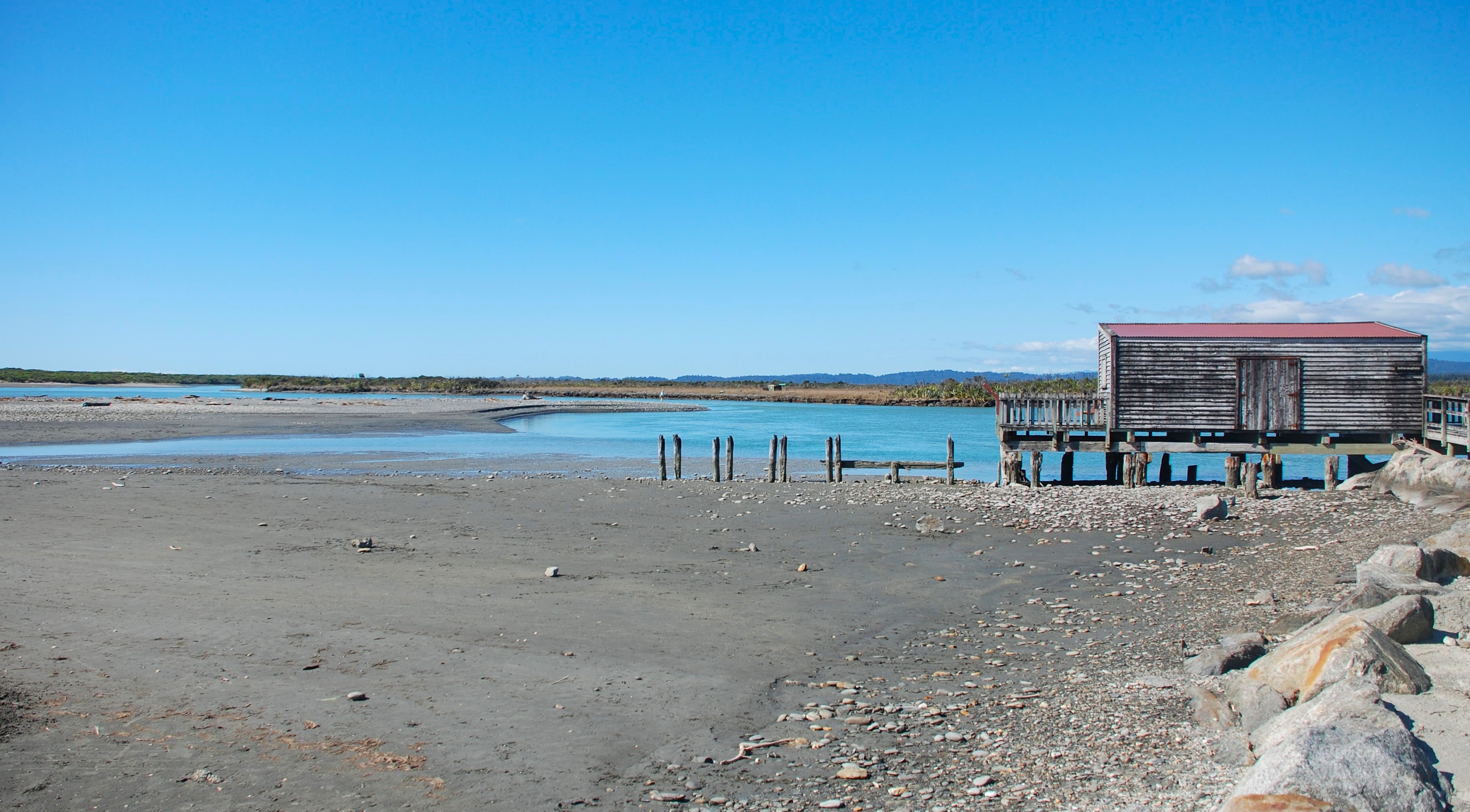
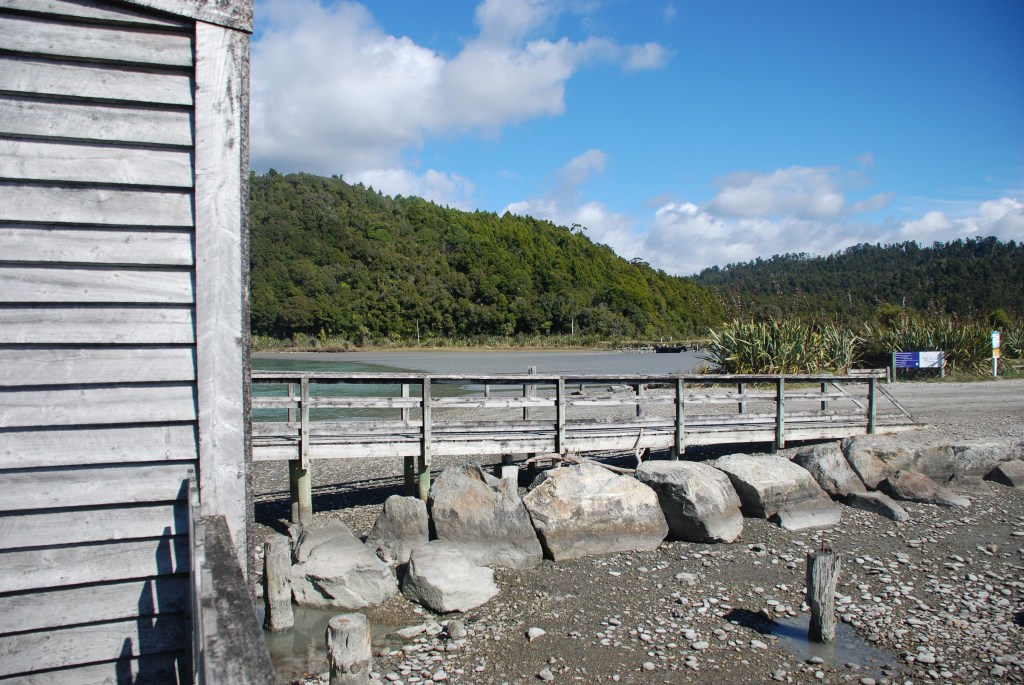
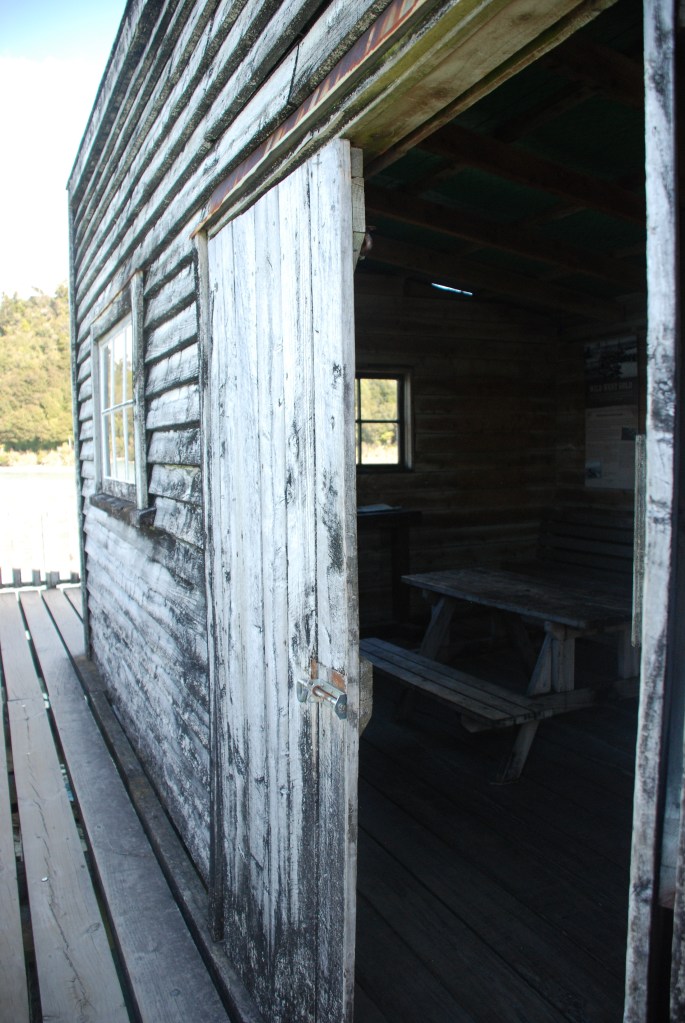
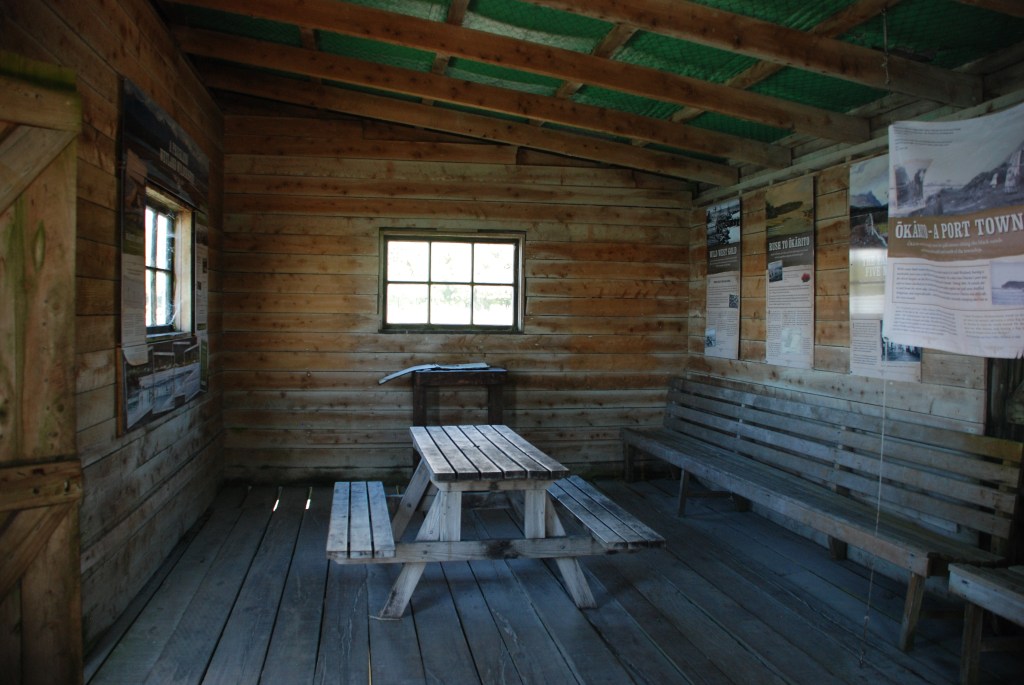
The boat shed was restored in 1960 using parts of the original wharf and shed, and now functions as an information centre. It also offers shelter from the elements with chairs, a table, and information panels. Also, take a look at the display board outside the boat shed; it will give you some insight into the biodiversity in the Okarito Lagoon, which is New Zealand’s largest unmodified wetland.






How to get there:
From Franz Josef, go north on State Highway 6 for about 17km. Turn onto Forks/Okarito Road for a 10km drive to the coast.


 offthemainroadnz.com